
6 common causes of a leaking washing machine and how to fix them
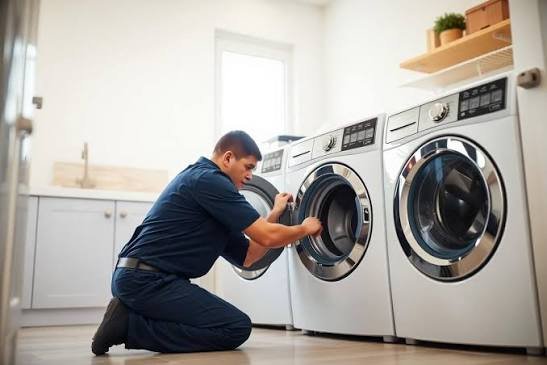
There are several reasons why a washing machine may start leaking water. Some problems can be resolved quickly and easily, while others require the help of a professional technician. To determine why your washing machine is leaking, review the possible causes below and learn how to address each problem.
1. Water Is Leaking from Underneath the Washing Machine
If water is collecting underneath your washing machine, the cause may be a damaged water pump.
The water pump circulates water through the machine during the wash cycle and removes water from the drum when the cycle is complete. Some washing machines use separate pumps for circulation and draining, while others use the same pump or plumbing system for both functions.
Other possible causes of water leaking from underneath the washing machine include a damaged drum seal, a cracked drain hose, or a loose drain connection.
A washing machine has two drums. The inner drum has perforations and moves during the wash cycle, allowing water to flow in and out. The outer tub supports the inner drum and holds the water during the wash cycle.
If the outer tub develops a problem, water can leak underneath the machine and collect on the floor.
The drain hose is located near the water pump and helps remove dirty water from the washing machine. If the hose becomes damaged, it can create a puddle around the appliance.
If the Washing Machine Leaks from the Bottom During the Fill Cycle
If the washing machine starts leaking while it is filling with water or at the beginning of the wash cycle, the cause may be a damaged drum seal. In this case, the seal will need to be replaced.
If the machine is overfilling and causing water to leak, the problem may be related to the water-level switch.
To check for this issue, run a test cycle with a small load of laundry and observe whether the machine fills to the proper water level.
If the water-level switch is causing the leak, it is recommended to contact a professional technician.
If the Washing Machine Leaks from the Bottom During the Spin Cycle
An unbalanced washing machine can sometimes cause water to leak during the spin cycle.
Check whether the washing machine is sitting level on the floor and adjust the leveling feet until the appliance is stable and balanced.
Other possible causes of leaking during the spin cycle include:
- A clogged water pump
- A clogged drain hose
- Damaged seals between the water pump and drain hose
If one of these components is responsible for the leak, professional service is recommended.
If water sprays from the top of a top-load washing machine during the spin cycle, the problem may be related to the tub cover seal. This seal creates a tight barrier between the outer tub and the lid, helping keep water inside the machine during operation.
2. Water Is Leaking from the Washing Machine Hoses
One of the most common causes of water collecting underneath a washing machine is a leak in the water supply or drain hoses.
Over time, these hoses can:
- Become clogged
- Become kinked
- Become damaged
- Disconnect from the washing machine
Any of these problems can cause water to leak while the washing machine is running.
How to Check a Leaking Washing Machine Hose
Make sure the water supply and drain hoses are securely connected to the washing machine.
Inspect each hose and confirm that it is properly connected to the appliance. Also, make sure the rubber washers inside the water inlet hose connections are correctly positioned.
If any connection is loose, tighten it securely.
Check the drain hose for kinks and blockages. A clogged drain hose can cause water to back up, collect on the floor, and leave clothes excessively wet after the cycle is complete.
Finally, inspect the hoses for signs of wear and damage. If you notice cracks or holes, the hose should be replaced.
3. Water Enters the Washing Machine When It Is Turned Off
If water continues to drip or flow into the washing machine even when it is not running, the problem may be a faulty water inlet valve.
The water inlet valve controls the flow of water into the washing machine during the wash cycle.
How to Stop Water from Entering the Washing Machine
To determine whether the water inlet valve is responsible, first unplug the appliance and carefully move it away from the wall.
Locate the water inlet valve at the back of the washing machine and inspect it for signs of leakage.
If you notice a crack, hole, or other visible damage in the valve, contact a professional technician for repair or replacement.
4. Water Is Collecting Under the Washing Machine Drum
There are several possible reasons why water may collect underneath the washing machine drum.
These include:
- A kinked drain hose
- A clogged drain hose
- Frequently overloading the washing machine
These problems can prevent water from draining properly, causing water to remain inside the machine or collect underneath it.
How to Prevent Water from Collecting Under the Drum
Inspect the washing machine hoses regularly. Make sure they do not have kinks, blockages, cracks, or other signs of wear.
If you discover a problem, schedule professional service if necessary.
Another way to prevent water from remaining under the drum is to avoid overloading the washing machine.
This is particularly important with top-load models. When the drum is overloaded, the spin cycle may become less effective, which can interfere with proper draining and leave excess water inside the machine.
5. Water Is Leaking from the Washing Machine Door or Lid
If you notice water dripping from the washing machine door or lid, the door or its seal may be damaged.
Over time, washing machine door gaskets can crack, deteriorate, or tear. When this happens, water can escape from the machine during the wash cycle.
How to Check a Leaking Washing Machine Door or Lid
First, inspect the washing machine door or lid for cracks, holes, or other visible damage.
If the door itself is responsible for the leak, it should be replaced by a professional.
If there is no visible damage to the door, inspect the rubber gasket.
If you notice a crack, tear, or damaged section of the gasket, the gasket should be replaced.
6. The Washing Machine Is Leaking Oil
If your washing machine is leaking oil, the problem is most likely related to the transmission or drive system.
Oil leaks are usually easy to identify because you may notice oily marks or stains on the floor around the washing machine.
How to Fix a Washing Machine That Is Leaking Oil
Unfortunately, this is usually not a simple or quick repair.
A washing machine that is leaking oil should be inspected and repaired by a qualified professional technician.
Professional service is recommended to accurately determine the cause of the leak and prevent further damage to the appliance.