Common appliance problems and how to prevent them
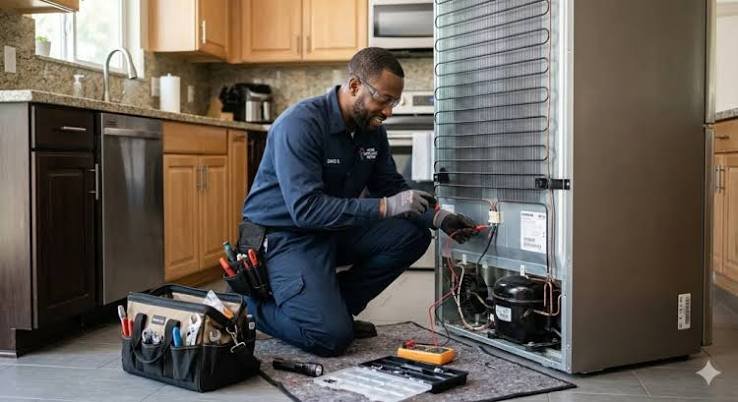
Home appliances make everyday life easier, but without proper maintenance, they can develop problems that lead to expensive repairs. Learn about the most common appliance problems and expert tips for preventing them. With the right care, you can help your household appliances operate efficiently and reliably for longer.
Introduction
Home appliances are an essential part of modern life. However, like all mechanical and electrical devices, they are subject to wear and tear over time.
From refrigerators and washing machines to ovens and dryers, improper maintenance or incorrect use can lead to breakdowns, reduced efficiency, and expensive repair costs.
Understanding the most common appliance problems and knowing how to prevent them can save you time, money, and frustration.
In this article, we will look at some of the most common household appliance problems and provide practical tips to help keep your appliances working properly.
1. Refrigerator Not Cooling Properly
One of the most common refrigerator problems is insufficient cooling. This can be caused by blocked air vents, dirty condenser coils, or a faulty thermostat.
How to prevent it:
- Clean the condenser coils regularly to improve efficiency.
- Avoid overfilling the refrigerator and leave enough space for proper air circulation.
- Check the door gaskets and make sure they create a tight seal.
Regular maintenance can help prevent food from spoiling, reduce energy consumption, and extend the life of your refrigerator.
2. Washing Machine Leaking or Overflowing
The most common causes of washing machine leaks are worn-out hoses, a clogged drainage system, or overloading the machine.
Using too much detergent can also cause excessive suds and potentially lead to overflowing.
How to prevent it:
- Inspect the hoses regularly and replace them when necessary, typically every few years.
- Avoid overloading the washing machine.
- Use the correct type and amount of detergent.
Regular inspections and proper use can help prevent washing machine leaks and reduce the risk of water damage in your home.
3. Dryer Taking Too Long to Dry Clothes
Dryers may fail to dry clothes efficiently because of lint buildup, clogged ventilation ducts, or faulty heating elements.
How to prevent it:
- Clean the lint filter after every use.
- Inspect and clean the dryer vent regularly.
- Have the heating components inspected by a professional technician when necessary.
Proper airflow and regular maintenance help improve drying efficiency and reduce the risk of dryer fires.
4. Dishwasher Not Cleaning Dishes Properly
If your dishes come out of the dishwasher still dirty, the problem is often caused by clogged spray arms, dirty filters, or improperly loaded dishes.
How to prevent it:
- Clean the filters and spray arms regularly.
- Load dishes according to the manufacturer's recommendations.
- Use the recommended detergent to help prevent residue and mineral buildup.
Regular maintenance helps your dishwasher operate more efficiently and can extend its service life.
5. Oven Not Heating Evenly
An oven that does not heat evenly or fails to reach the required temperature may have faulty heating elements, a damaged thermostat, or temperature calibration problems.
How to prevent it:
- Have faulty heating elements inspected and replaced promptly.
- Use an oven thermometer to check whether the temperature is accurate.
- Schedule regular professional inspections when necessary.
Proper maintenance helps ensure that food cooks evenly and correctly while reducing the likelihood of expensive repairs.
6. Microwave Oven Problems
Microwave ovens may stop heating properly, begin making unusual noises, or produce sparks.
These problems are often related to a faulty magnetron, a defective door switch, or an electrical issue.
How to prevent it:
- Never operate the microwave when it is completely empty.
- Clean the inside of the appliance regularly to prevent food residue from accumulating.
- Contact a professional technician for electrical problems.
Proper microwave maintenance helps ensure safe and reliable operation.
7. Excessive Energy Consumption
Poor maintenance or improper use can force appliances to work harder, resulting in higher energy consumption and increased electricity bills.
How to prevent it:
- Keep appliances clean and properly ventilated.
- Avoid overloading washing machines, dryers, and other appliances.
- Replace worn or faulty components promptly.
Energy-efficient, properly maintained appliances can help reduce long-term household expenses.
8. Unusual Noises and Vibrations
Unusual noises coming from any appliance, such as a washing machine, dryer, or refrigerator, can be a sign of an internal problem.
Ignoring these sounds can allow a minor issue to develop into a more serious and expensive failure.
How to prevent it:
- Investigate the source of unusual noises as soon as possible.
- Have the appliance inspected by a professional technician for proper diagnosis.
- Do not attempt to repair electrical or mechanical problems yourself unless you have the appropriate training.
Responding to early warning signs can help prevent major breakdowns and extend the life of your appliance.
9. Electrical Problems
Power surges, damaged electrical wiring, and unstable power supplies can damage sensitive components inside household appliances.
How to prevent it:
- Use appropriate surge protectors for appliances such as refrigerators and ovens when recommended.
- Make sure electrical connections are secure and stable.
- Instead of attempting electrical repairs yourself, contact a qualified or certified technician.
Proper electrical safety measures can help prevent expensive damage and keep your home safer.
10. Lack of Professional Maintenance
Many appliance problems develop because appliances do not receive professional maintenance when needed.
Regular professional inspections can identify hidden problems before they become serious or noticeable to the homeowner.
How to prevent it:
- Schedule an inspection with a qualified technician at least once a year when appropriate.
- Keep records of appliance service and repair history.
- Follow the maintenance schedule recommended by the manufacturer.
Professional service can help extend the life of your appliances and maintain their performance.
Conclusion
Although appliance problems are common, many of them can be prevented.
Identifying potential problems early and providing proper preventive maintenance for appliances such as refrigerators, washing machines, dryers, ovens, and microwaves can help them operate efficiently, safely, and reliably for longer.
Simple steps such as regular cleaning, proper use, and timely professional maintenance can help you save money while reducing the risk of unexpected breakdowns.
By following these preventive measures, you can protect your investment in your home and help ensure that your appliances continue to provide reliable performance for years to come.